The Art of the Stitch: Using Sewing Machine Color Drawing in Design
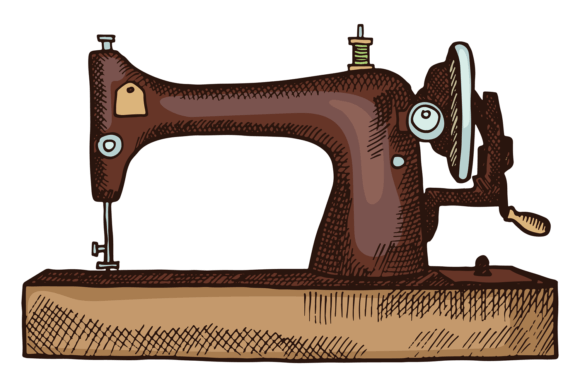
There is a distinct satisfaction in the visual rhythm of a sewing machine. It speaks of precision, craftsmanship, and the tangible creation of something new. Capturing that essence in a visual asset is the goal of the Sewing Machine Color Drawing. Clothes Ta vector set. This is not merely a clipart collection; it is a carefully curated suite of design assets that brings a tactile, authentic quality to any project. The illustration style is detailed yet clean, using vibrant colors to highlight the mechanical beauty of the sewing machine and the soft texture of fabric swatches. It possesses a personality that is both industrious and creative, making it a versatile tool for anyone looking to communicate themes of fashion, tailoring, and handmade quality.
A Visual Language of Craftsmanship and Quality
The core appeal of this collection lies in its stylistic balance. The drawings are rendered with a modern vector clarity, avoiding the dated, overly simplistic look of generic stock imagery. You will find intricate details in the machine's dials, the presser foot, and the needle, all rendered with clean lines and thoughtful color palettes. This level of detail lends an air of professionalism and expertise to your work. The accompanying clothing tailor symbols—perhaps a thimble, scissors, or a simple garment silhouette—are isolated on a white background, ensuring they integrate seamlessly into complex layouts without visual clutter. Whether used as a bold hero image or a subtle supporting icon, the Sewing Machine Color Drawing. Clothes Ta set communicates a clear message: this brand or project values quality, detail, and the art of making.
Where does this style truly excel? Its strength is in its versatility across both personal and commercial applications. For a brand identity project, a custom illustration from this set could form the cornerstone of a logo for a bespoke tailor, an alterations shop, or a fabric store. It instantly tells the customer what the business is about, bypassing the need for lengthy explanation. In editorial design, these illustrations can break up long blocks of text in a fashion magazine or a DIY blog, providing visual interest and reinforcing the content's theme. The clean, isolated nature of the assets makes them perfect for packaging design—imagine a beautifully drawn sewing machine on the label of a premium thread spool or a gift box for a sewing kit.
Integrating the Assets into Your Creative Workflow
Practical application is where a good design asset proves its worth. The availability of this collection in EPS, JPG, SVG, and transparent PNG formats is a significant practical advantage. The transparent PNG is your go-to for quick placement in social media graphics, website banners, or presentation slides. The SVG format is invaluable for web designers and app developers, as it scales infinitely without quality loss, ensuring your icons and illustrations look sharp on any screen. For print-focused projects like brochures, posters, or textile patterns, the EPS vector file provides the highest quality and editability.
When incorporating these elements, consider their role in your visual hierarchy. A large, detailed sewing machine illustration can serve as a powerful focal point, drawing the eye and establishing context immediately. Smaller symbols can be used as supporting elements to guide the viewer's attention or to create a consistent motif across a series of materials. For example, a small tailor's symbol could be used as a bullet point in a list or as a recurring watermark on a brand's stationery, enhancing brand recognition and creating a cohesive brand identity.
Strategic Pairings and Project Considerations
No design element exists in a vacuum. The true power of the Sewing Machine Color Drawing. Clothes Ta set is unlocked through thoughtful pairing. Its illustrative style pairs exceptionally well with certain typography choices. For a classic, heritage feel, consider coupling it with a sturdy serif font. For a more modern, clean aesthetic, a geometric sans serif font creates a beautiful contrast between the intricate illustration and simple letterforms. If the goal is to emphasize the handmade, personal touch, a subtle script font or handwritten font for headlines can complement the artisanal theme, though caution is needed to maintain readability.
Before diving in, evaluate the specific needs of your project. Ask yourself: Does the color palette of the illustration align with my brand's colors? If not, can the vector files be easily adjusted? Is the level of detail appropriate for the size at which it will be used? A highly detailed machine might get lost as a tiny favicon but will shine as a poster element. Finally, always review the commercial font and asset licensing. Ensure the license covers your intended use, whether it's for a client project, merchandise for sale, or a personal blog. This due diligence is part of a professional workflow and protects both you and your clients.
Ultimately, the Sewing Machine Color Drawing. Clothes Ta collection is more than just a set of pictures. It is a design asset that carries a story—a story of creation, precision, and style. By understanding its visual language and applying it with strategic intent, you can elevate your projects, connect with your audience on a deeper level, and build a visual narrative that is as compelling and well-crafted as the garments these machines are meant to create. It’s a tool for designers, marketers, and creators who understand that the right image can say more than a thousand words ever could.